Column · @thesafethreshold
What to Do When a Key Is Stolen: Rekeying vs. Replacing Your Lock
Having a key stolen is unsettling. Whether it was lifted from a bag, taken from a desk at work, or lost in a public place, the concern is the same: someone you don't know could now open your door. The sensible move is to act quickly. For most homeowners, tenants, and business owners in North York, the choice comes down to two options: rekeying the existing lock or replacing it entirely. Each approach has its place, and understanding the difference helps you decide what fits your situation.
Understanding the problem
A lock works because its internal pins and springs are arranged in a pattern that matches the cuts on your key. That pattern is the lock's "key code." When you use the correct key, the pins align and the cylinder turns. A stolen key means someone else now holds a key that matches that code. Even if you change nothing, the lock still works the same way. The risk is that the stolen key can be used by someone who knows where you live or work.
Rekeying changes the internal arrangement of pins so the old key no longer works. A new key, cut to match the new pin pattern, is provided. Replacing the lock removes the entire unit and installs a different one. Both methods restore security, but they differ in cost, effort, and how they affect the door itself.
Rekeying: what it involves
Rekeying is a process done on the lock cylinder - the part where you insert the key. A locksmith removes the cylinder, replaces the pins, and cuts a fresh key. The exterior hardware, the handle, the deadbolt, and the trim all stay in place. This is the most common choice when the lock is in good condition and you simply want to invalidate the stolen key.
For a homeowner or tenant in a house or apartment, rekeying is usually straightforward. The locksmith works on site and the job takes around 15 to 30 minutes per cylinder. Landlords often prefer this method because it keeps the same lock hardware on all units, and they can maintain a master key system if one exists. Businesses with multiple entry doors may rekey all cylinders to the same new key, making it easy to manage access without replacing expensive commercial hardware.
One practical point: rekeying works only on the cylinder you already have. If the lock is worn, damaged, or from a brand that is no longer supported, rekeying may not be possible. In that case, replacement becomes the better path.
Replacing the lock: when it makes sense
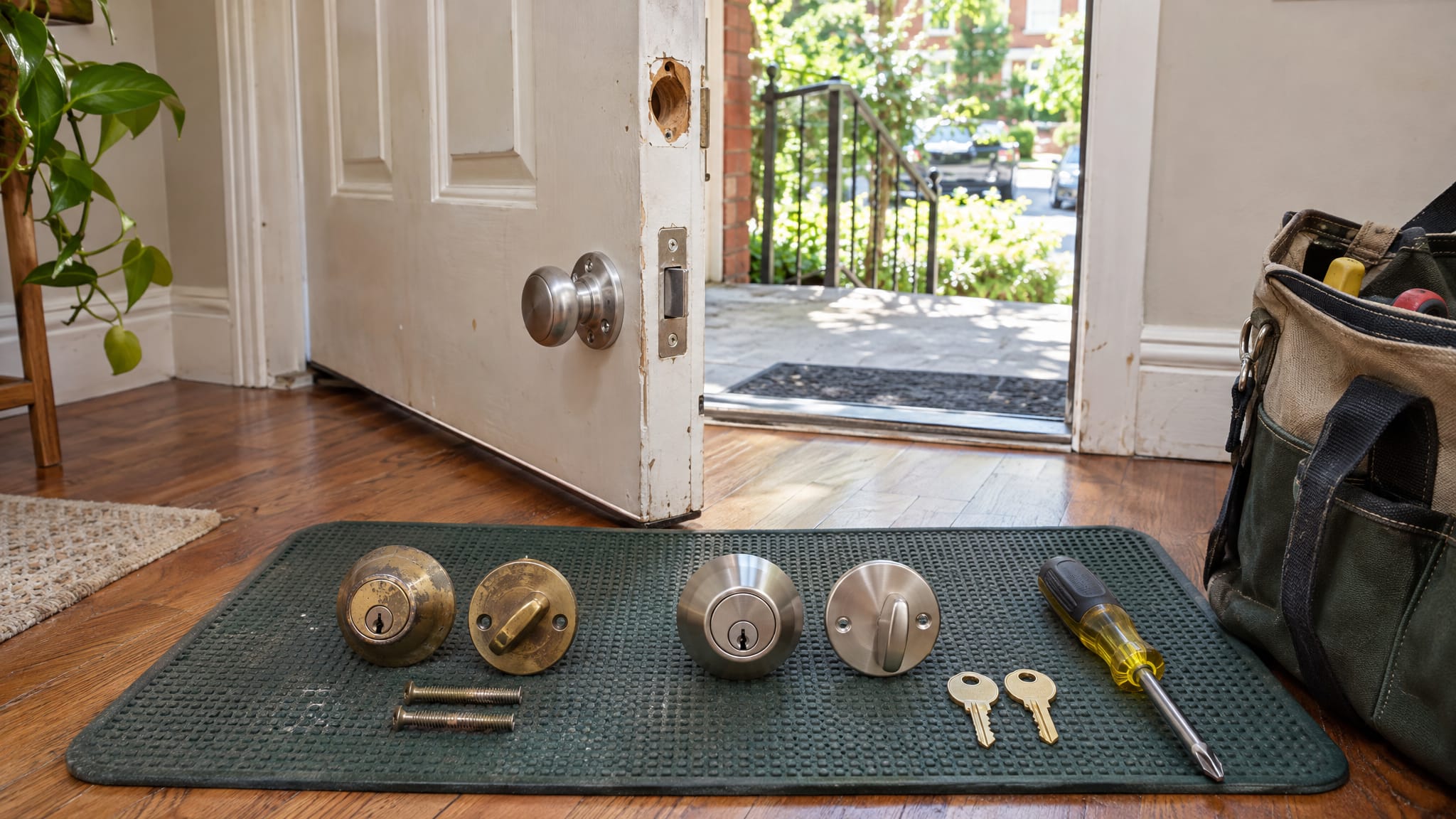
Replacing the lock means removing the whole assembly - deadbolt, handle set, or mortise lock - and installing a new unit. This is a bigger job. It can involve drilling out old screws, adjusting the strike plate, and making sure the new lock fits the door's existing cutouts. For a standard entry door, a replacement lock might be ordered to match the same brand and size so the door does not need new holes drilled.
Replacement is the right call when the lock is old or showing signs of wear. A lock that sticks, a key that feels loose, or a cylinder that has been rekeyed several times already may be past its useful life. Replacing it gives you a fresh start with modern security features. For example, newer locks often come with anti-bump pins or reinforced strike plates, which older models lack.
Another scenario is after a break-in where the lock was damaged. Even if the door was forced open, the lock may have been twisted or broken. In such cases, rekeying won't fix the structural problem. A new lock is the only option.
For landlords, replacing a lock might be necessary if the current cylinder cannot be rekeyed to a new master key system. Some older lock types have limited pin configurations, and a locksmith may advise replacement to standardise all doors under one key. Tenants should check their lease before making any changes. Many leases require landlord approval for lock replacement, while rekeying is often allowed with permission.
Comparing the two approaches
Rekeying is faster, less expensive, and keeps your door's appearance unchanged. It works well when the lock is still in good shape and you just need to eliminate the stolen key. Replacement costs more, takes longer, and may require adjustments to the door, but it addresses underlying wear or damage and can improve overall security.
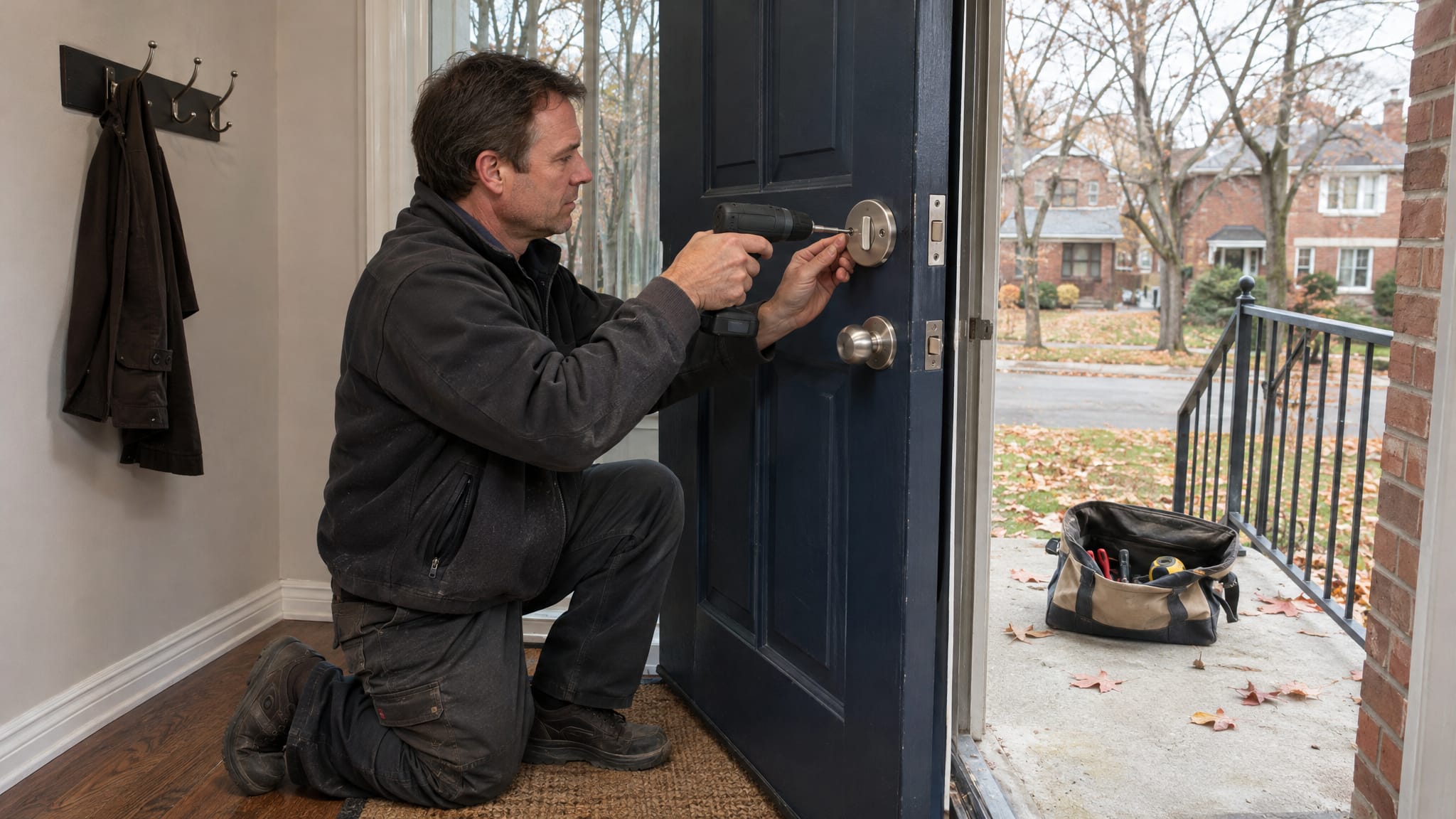
Most locksmiths recommend rekeying as the first option unless there is a clear reason not to. If you have multiple doors, rekeying them all to the same new key is efficient. You get one key for every entry point, and the old key becomes useless. For a home or small business, that is often the simplest path. Lock Change North York, a local locksmith serving the area, handles this type of work daily and can advise on whether rekeying is suitable for your particular lock.
Replacement becomes the better choice when the lock is beyond its prime or when you want to upgrade security standards. For example, if your current lock is a basic model and you want a deadbolt with a longer throw or a cylinder with restricted keyway, replacement is the way to go. It also suits situations where the door itself has been altered - for instance, after a break-in repair - and the existing lock no longer aligns correctly.
Practical steps after a key is stolen
- Secure the premises temporarily. If you have a spare key, use it to lock the door from inside. If not, consider a portable door jammer or ask a neighbour to keep an eye on the entry.
- Contact a locksmith to assess the lock. They can tell you whether the cylinder is rekeyable and whether replacement is needed.
- If you are a tenant, inform your landlord. Many leases require notification before any lock work is done. Your landlord may arrange the service or give permission for you to proceed.
- Once the work is done, test the new key several times. Make sure it operates smoothly and that the lock throws and retracts fully.
- Consider changing the locks on all doors that share the same key. If the stolen key opened the back door, it likely opens the front door too. Rekeying all matching cylinders is safer than leaving one unchanged.
What about keyed alike systems and master keys?
Many homes and offices use locks that are keyed alike - meaning one key opens multiple doors. Some also have a master key system where a single key opens all locks, while individual keys open only their assigned door. If a stolen key is a master key, the risk is greater. Rekeying the entire system may be needed, and a locksmith can create a new master key schedule that invalidates the old master while keeping individual keys working for each door.
For businesses, a lost or stolen master key can mean rekeying every cylinder in the building. This is more involved but far safer than leaving the old system in place. A locksmith can also issue new keys to employees and keep a record of who holds which key.
Choosing a locksmith
When you need rekeying or replacement, look for a locksmith who works with residential and commercial locks. They should be able to inspect your door and advise on the best method. A good locksmith will not push you toward replacement if rekeying will do the job, and they will explain what they plan to do before starting any work. Lock Change North York provides these services to homeowners, tenants, landlords, and businesses in the area, and they are familiar with the types of locks commonly found on exterior doors.
It is also wise to ask about the new keys you will receive. Some locksmiths supply two or three keys per cylinder; others charge extra for additional copies. Knowing this upfront helps you plan. Also, if you have multiple doors that need attention, ask if they can do all the rekeying in one visit to save time.
Long-term prevention
Once your lock is secure again, think about how to reduce the chance of a key being stolen in the future. Keep spare keys in a secure place, not under a mat or in a fake rock. If you run a business, implement a key control policy: log who has keys, and require keys to be returned when an employee leaves. For tenants, consider asking your landlord if the building uses a master key system that can be rekeyed periodically. A small upfront effort can save the hassle of dealing with a stolen key later.
In the end, the decision between rekeying and replacing comes down to the condition of your lock and how much disruption you are willing to accept. Rekeying is quick and preserves your existing hardware. Replacement is more thorough and can improve security. Both restore your peace of mind, and a local locksmith can help you choose the path that fits your door and your situation.